How to Memorise the Quran (Hifz): A Complete Beginner's Plan
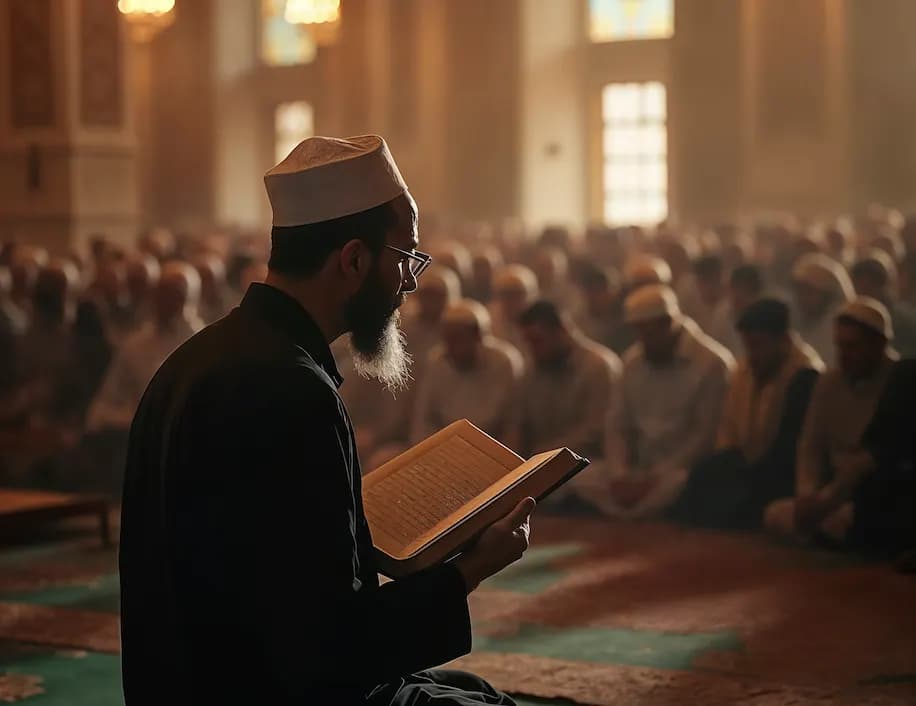
To memorise the Quran, build a daily routine of memorising a small new portion, then revising it heavily before adding more — consistency matters far more than speed. Start after F...
Guides on reading, understanding and memorising the Quran — from your first recitation to maintaining your Hifz.
To memorise the Quran, build a daily routine of memorising a small new portion, then revising it heavily before adding more — consistency matters far more than speed. Start after F...
To build a daily Quran reading habit, anchor it to a fixed time you already keep (such as after Fajr or before sleep), start with an amount so small you can't fail (even a few line...
Tafseer is the scholarly explanation of the Quran's meanings — its context, language, and how verses relate to one another. Beginners should start with a single reliable, accessibl...
To improve Quran recitation fluency, fix your Tajweed foundations first, read aloud daily, listen closely to and imitate expert reciters, slow down to read accurately before readin...
To maintain a completed Hifz, set a fixed daily revision amount that cycles through the entire Quran on a schedule (many revise a juz or part of one daily, completing the Quran eve...
There is no single 'best age', but children commonly begin formal Quran memorisation around ages 5–7, once they can focus, repeat accurately, and ideally read some Arabic. Before t...
Busy adults can memorise the Quran by protecting one small consistent slot (even 15–20 minutes), choosing a realistic daily portion, prioritising revision, using a teacher for acco...
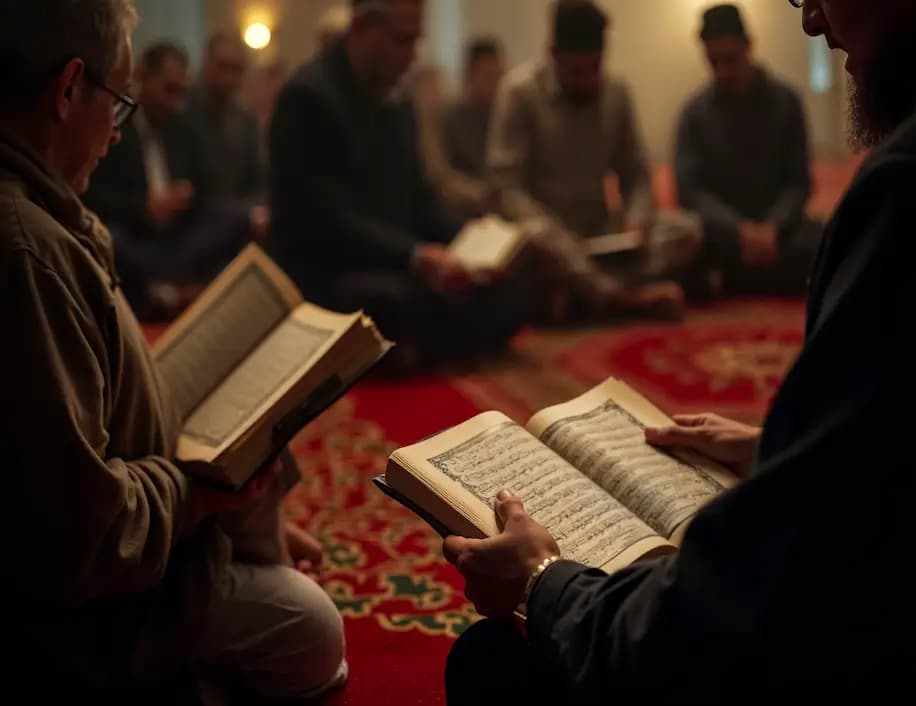
The best Hifz revision techniques are: a daily revision cycle that touches recent and older portions separately, reciting from memory rather than reading, reciting to others or a t...
How long Hifz takes depends mainly on your daily memorisation rate and consistency. Memorising one page a day, with disciplined revision, can complete the Quran in roughly two year...